November 10, 2026
The kitchen is one of the most frequently used rooms in a home, supporting daily activities such as preparing meals, gathering with family, and hosting guests. Over time, outdated features, wear and tear, and changing household needs can make the space less practical or comfortable. This article will explain common signs that a kitchen may be ready for renovation and how improvements can support daily use and the home's overall condition.
Recognizing Outdated Features
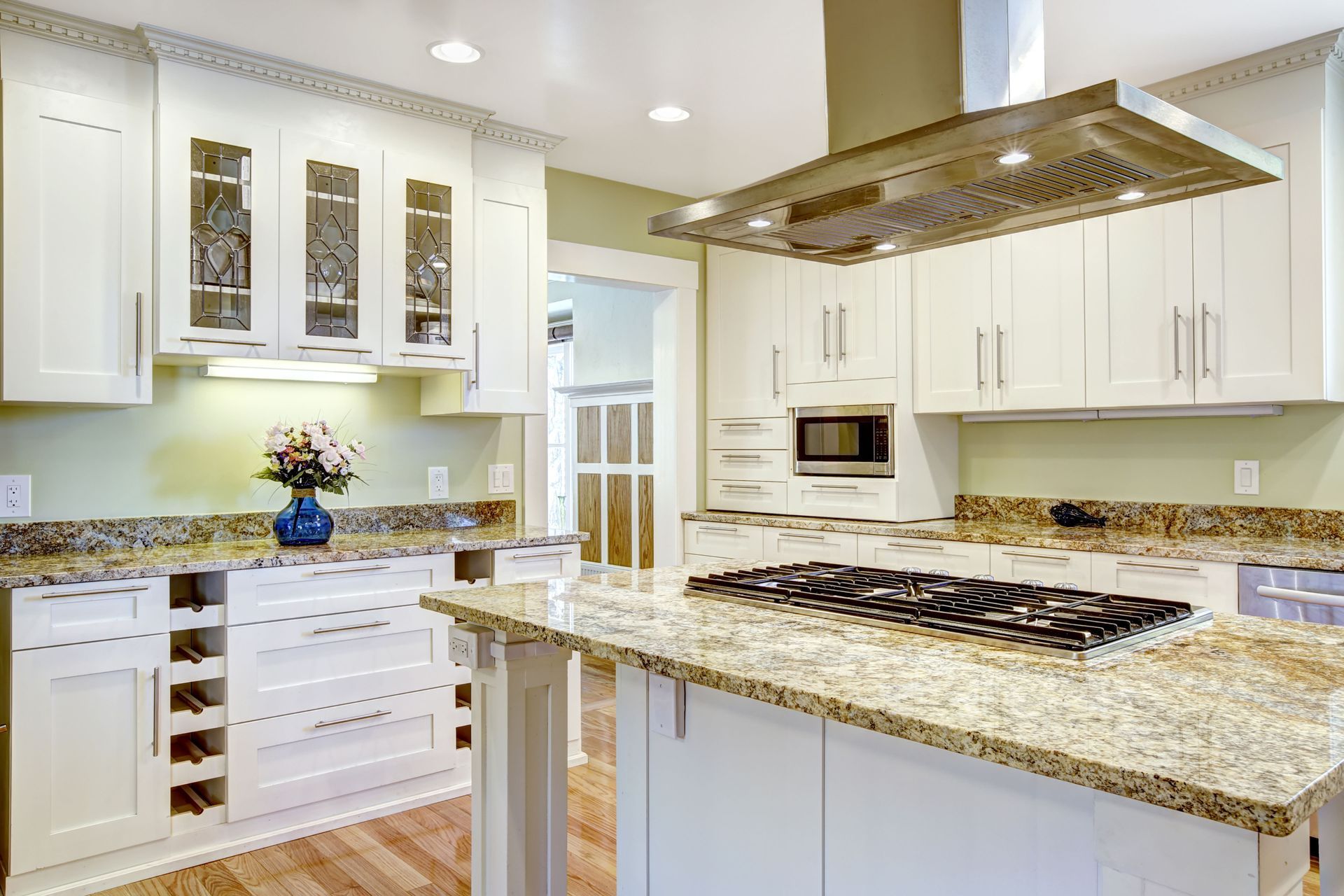
A kitchen's appearance can change significantly as styles and household preferences evolve. Colors, finishes, and design choices that once felt current may begin to look dated. While appearance alone does not always mean a renovation is necessary, an outdated kitchen may no longer reflect the desired look and feel of the home. These changes can also affect how the kitchen fits with the rest of the property's interior design.
Older kitchens may include features that are less practical for modern living. Limited lighting, crowded work areas, or an arrangement that makes everyday tasks more difficult can affect how the space is used. These concerns may become more noticeable as household needs change. A renovation can provide an opportunity to update the kitchen's appearance while improving its overall function. Changes to the layout, finishes, and lighting can help create a more comfortable environment and make daily activities easier. Local kitchen renovations may be worth considering when an older kitchen no longer fits the property's style or daily needs.
Addressing Limited Storage
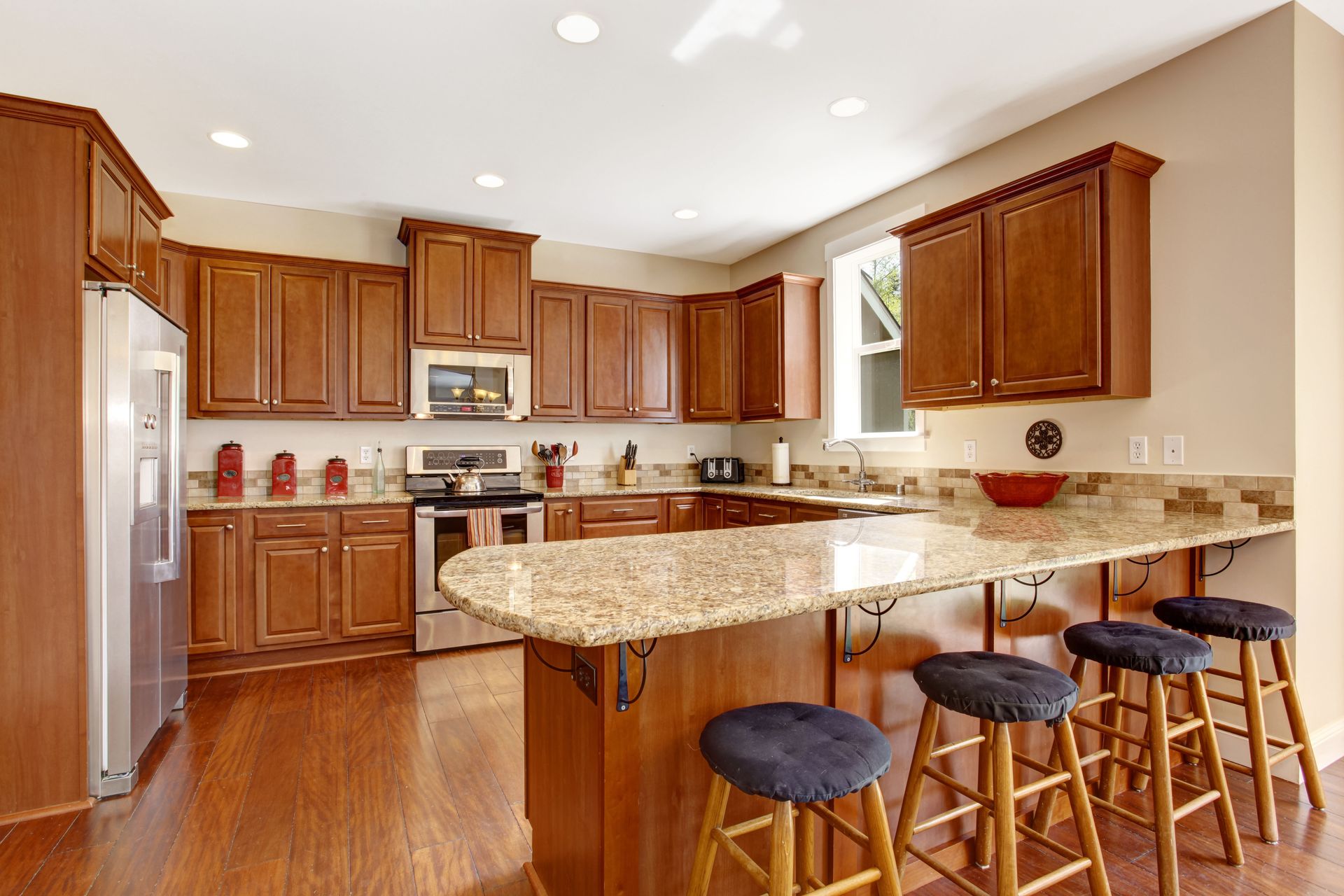
Storage is an important part of a functional kitchen. Cabinets, drawers, and other storage areas help keep cookware, dishes, food, and everyday items organized. When a kitchen does not provide enough storage, clutter can build up across counters and work areas. Limited storage may become more noticeable as a household grows or cooking habits change. A kitchen that once provided enough space may no longer accommodate the items used regularly. Crowded cabinets and overflowing drawers can make it harder to find what is needed and keep the room organized.
A renovation can help address these concerns by improving how storage space is arranged. Changes may provide better access to frequently used items and create more room for kitchen essentials. The goal is to make the space easier to use without adding unnecessary features. When storage problems affect daily routines, local kitchen renovations can offer an opportunity to rethink the room's layout. A professional assessment can help identify where storage improvements may have the greatest impact.
Improving an Inefficient Layout
A kitchen layout affects how easily people can move through the space and complete everyday tasks. When the arrangement does not support normal activities, preparing meals and cleaning up may take more time than necessary. A crowded work area or poorly placed features can also make the room uncomfortable to use. Some kitchens have layouts that limit movement between important areas. Narrow walkways, awkward corners, or a lack of open workspace may create challenges during meal preparation. These issues can become more noticeable when several people use the kitchen at the same time.
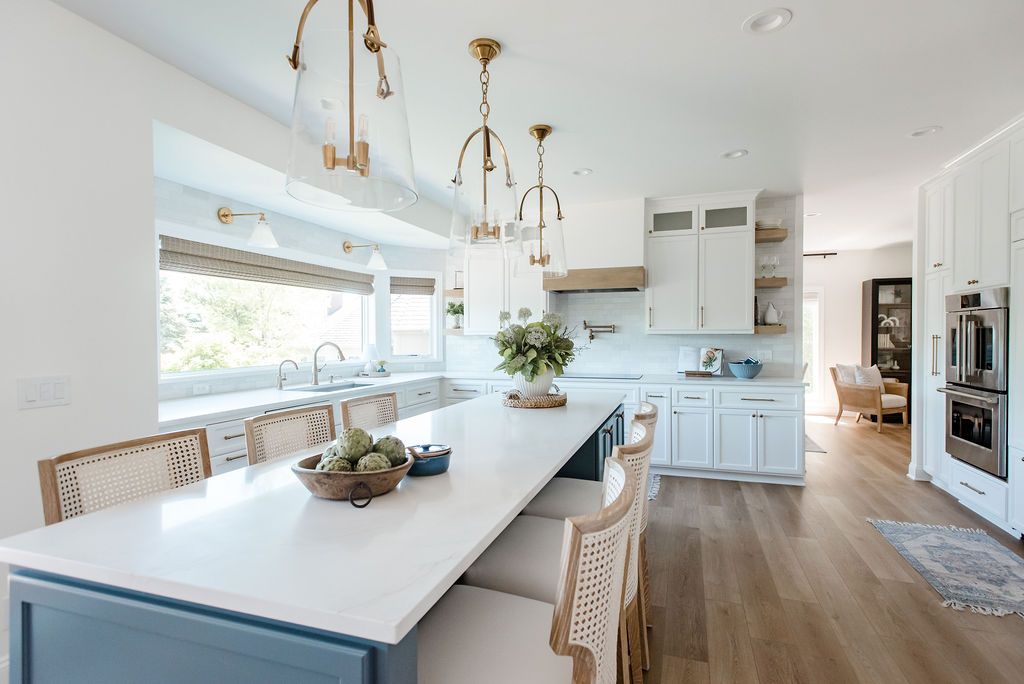
A renovation can help improve the arrangement of the room. Changes to the layout may create better movement, improve access to storage, and provide more usable work areas. The appropriate approach depends on the kitchen's existing structure and the needs of the household. Local kitchen renovations can help address layout concerns that affect everyday use. Seeking professional help can provide insight into which changes may improve the space while working within the property's existing conditions.
Replacing Worn Surfaces
Kitchen surfaces experience frequent use throughout the day. Counters, floors, walls, and other areas may be exposed to spills, moisture, heat, and regular cleaning. Over time, this activity can cause visible wear that affects both the appearance and function of the room. Cracks, stains, peeling finishes, and damaged areas may indicate that certain parts of the kitchen need attention. Some surface concerns may be limited to appearance, while others can make cleaning more difficult or allow moisture to affect surrounding materials.
When several surfaces show signs of wear, a larger renovation may be worth considering. Updating the affected areas can help improve the overall condition of the kitchen and create a more consistent appearance. It can also provide an opportunity to review whether the existing materials remain suitable for everyday use. Local kitchen renovations may help address multiple surface concerns at once. A professional evaluation can help determine which areas need replacement and whether additional issues should be addressed during the renovation.
Increasing Everyday Comfort
A kitchen should support the routines of the people who use it. When the room feels crowded, uncomfortable, or difficult to navigate, everyday activities may become less convenient. These concerns can affect meal preparation, cleaning, and time spent with family or guests. Household needs may change over the years. A growing family may need more room for shared activities, while changes in daily routines may call for a different arrangement. A kitchen that once worked well may no longer provide enough space or support the way the household uses it.
Renovation planning can help identify improvements that make the room more comfortable. Changes to the layout, available space, and overall arrangement may help create a more practical environment. The goal is to support daily activities while making the kitchen feel more welcoming. When a kitchen no longer fits the household's routines, local kitchen renovations may provide a way to improve its use and comfort. Seeking professional help can make it easier to understand which changes may be suitable for the space.
Evaluating Home Value
A kitchen renovation can affect how a home looks, feels, and functions. Since the kitchen is an important part of many households, its condition may influence how a property is viewed by potential buyers. An outdated or poorly arranged kitchen may make the home feel less appealing, while a well-maintained space can support its overall presentation. According to HomeGuide, most kitchen remodeling projects increase home value and deliver a return on investment of 50% to 70%, depending on the renovation size and quality. This information can help property owners consider how kitchen improvements may relate to their long-term plans. However, the actual return can vary based on the property's location, market conditions, and the scope of the renovation.
A kitchen renovation should also reflect the needs of the people living in the home. Improvements that make the space easier to use can provide value through everyday comfort, even when selling is not an immediate goal. Considering both practical needs and the property's condition can help guide renovation decisions. When a kitchen has several outdated or worn features, local kitchen renovations may provide an opportunity to improve the space and its overall appeal.
A kitchen may be ready for renovation when outdated features, limited storage, worn surfaces, or an inefficient layout begin to affect daily life. Changes in household needs and concerns about lighting or comfort can also indicate that the space no longer works as intended. Recognizing these signs can help property owners decide when to consider improvements. A renovation provides an opportunity to address these concerns while creating a kitchen that better supports everyday activities. Careful planning can help identify which changes are most important and how they may improve the room's overall function and appearance. Contact Highrock to discuss local kitchen renovations and explore improvements that can help make your kitchen more comfortable, practical, and suited to your household's needs.