October 7, 2026
Home remodeling can be a major investment, but with the right approach, it doesn't have to break the bank. Top home remodeling contractors can offer valuable insights into budgeting effectively while still achieving your vision. Let's explore a few expert strategies to help you manage costs efficiently, ensuring your remodeling project is both successful and affordable.
Understand Your Financial Limits
Assessing Your Budget Realistically
Setting a realistic budget is a fundamental step in any remodeling project. It requires an honest evaluation of your current financial situation, including income, expenses, and savings. Account for potential unexpected costs that might arise during the renovation process. By setting a clear financial boundary, you can prioritize what's essential for your remodeling, aligning it with your long-term financial goals. Consulting with financial advisors can provide additional insights into feasible budget ranges, ensuring you aren't caught off guard.
Determining Your Priorities
Identifying priorities is crucial in keeping your remodeling project on track financially. This involves distinguishing between must-have features and those that are nice-to-have. Focusing on high-impact areas such as the kitchen can result in a significant return on investment. While aesthetic improvements are important, functional upgrades often provide the greatest long-term value.
Recognizing Potential Financial Risks
Every remodeling project comes with its own set of financial risks that need to be acknowledged and managed. Hidden damages, like previously undetected mold or outdated electrical systems, can lead to increased costs. By preparing for these surprises, homeowners can avoid budget overruns. It is advisable to conduct a thorough inspection of the area to be remodeled, possibly with professional help, to identify potential issues beforehand. An informed approach helps in making necessary adjustments to your budget, keeping financial surprises at bay.
Exploring Financing Options
Many homeowners explore various financing options to manage the cost of home remodeling. From home equity loans to personal loans and even specialized renovation mortgages, there are multiple routes available. It's critical to understand the terms and conditions of these financing options thoroughly, including interest rates and repayment plans. Talk to financial institutions to compare deals and select the most favorable one for your needs. Remember, the goal is to enhance your home's value while simultaneously maintaining your economic well-being.
Creating a Contingency Fund
An often overlooked but vital aspect of remodeling budgets is a contingency fund. This fund serves as a safety net for unforeseen expenses, which are almost inevitable in any sizable renovation project. This approach ensures that unexpected costs do not derail your project or strain your finances. Proactively setting aside these additional funds can lead to smoother project execution and peace of mind.
Choose Cost-Effective Materials
Weighing Quality vs. Cost
Balancing quality and cost is crucial when selecting materials for remodeling. Often, higher-quality materials may have greater upfront costs but deliver better longevity and durability. Contractors recommend evaluating the long-term cost benefits rather than opting only for the cheapest option. Purchasing durable materials can actually reduce future maintenance and replacement costs. Taking the time to research and compare different materials ensures you get the best possible value for your investment.
Utilizing Secondhand or Reclaimed Materials
Incorporating secondhand or reclaimed materials into your remodeling project can offer significant cost advantages. These materials are not only affordable but also environmentally friendly. It is essential to ensure that reclaimed materials meet current safety standards, especially when used in structural or heavily utilized areas. Many architectural salvage shops and online marketplaces offer high-quality reclaimed options. This approach also adds unique character and timeless appeal to your home.
Opting for Affordable Alternatives
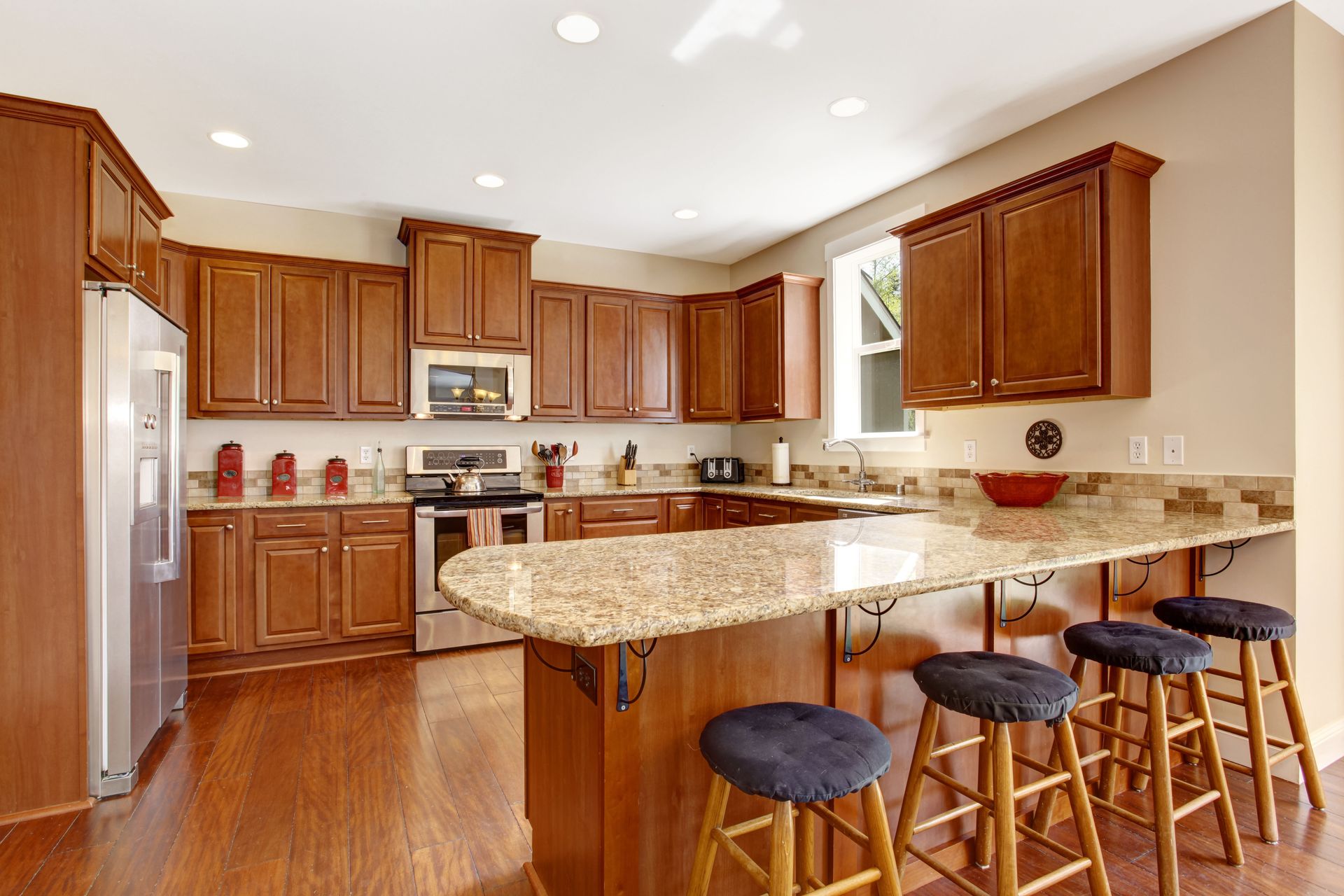
Several cost-effective alternatives can mimic the appearance and functionality of high-end materials. For instance, choosing laminated countertops instead of granite can offer a similar aesthetic at a fraction of the cost. Likewise, vinyl flooring can resemble hardwood while being more budget-friendly and durable in high-traffic areas. Evaluating these alternative options allows homeowners to make smart financial choices without sacrificing design. Consulting with home remodeling contractors can reveal many such alternatives that align with your budgetary constraints.
Purchasing Materials During Sales or Off-Season
Timing your purchases can make a significant difference in material costs. Many retailers offer discounts during sales events or in off-seasons, allowing you to secure high-quality materials at reduced prices. Planning your project timeline to accommodate these sales can yield substantial savings. Additionally, clear communication with suppliers about upcoming sales or clearance events is beneficial. Being strategic about when and where you purchase materials can lead to cost-effective remodeling.
Selecting Materials with Longevity and Durability
Selecting materials that offer both longevity and durability supports a sustainable and financially prudent project. These materials help minimize future repair and replacement costs due to wear and tear. Contractors generally suggest elements like weather-resistant siding, high-quality roofing, and durable flooring. Although these choices might appear more expensive initially, they provide long-term stability and value. Prioritizing durability can protect your home investment for years to come.
Make Smart Design Decisions
Implementing Flexible Design Options
Flexible design is a key strategy in optimizing both function and aesthetic appeal during remodeling. This involves incorporating elements that adapt to your future needs, reflecting a forward-thinking approach. Adjustable shelving, multifunctional spaces, and modular furniture are examples of flexible design options. By planning for flexibility, you ensure that your remodeled spaces remain relevant and useful over time. Such designs also often contribute to maintaining or increasing property value, thus being a smart financial choice.
Focusing on High-Impact Areas
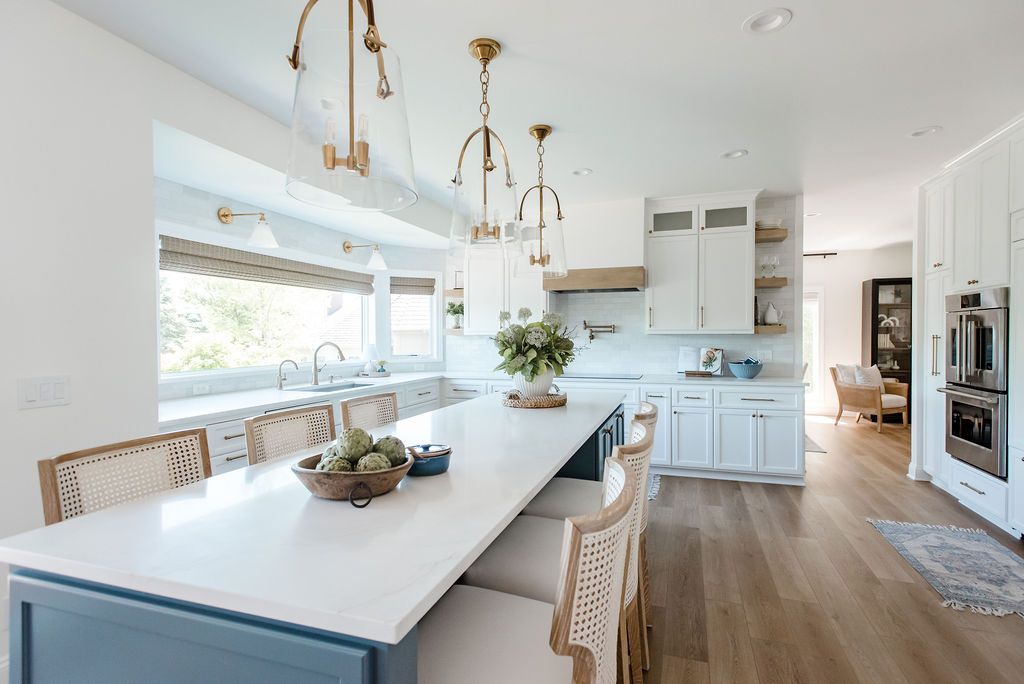
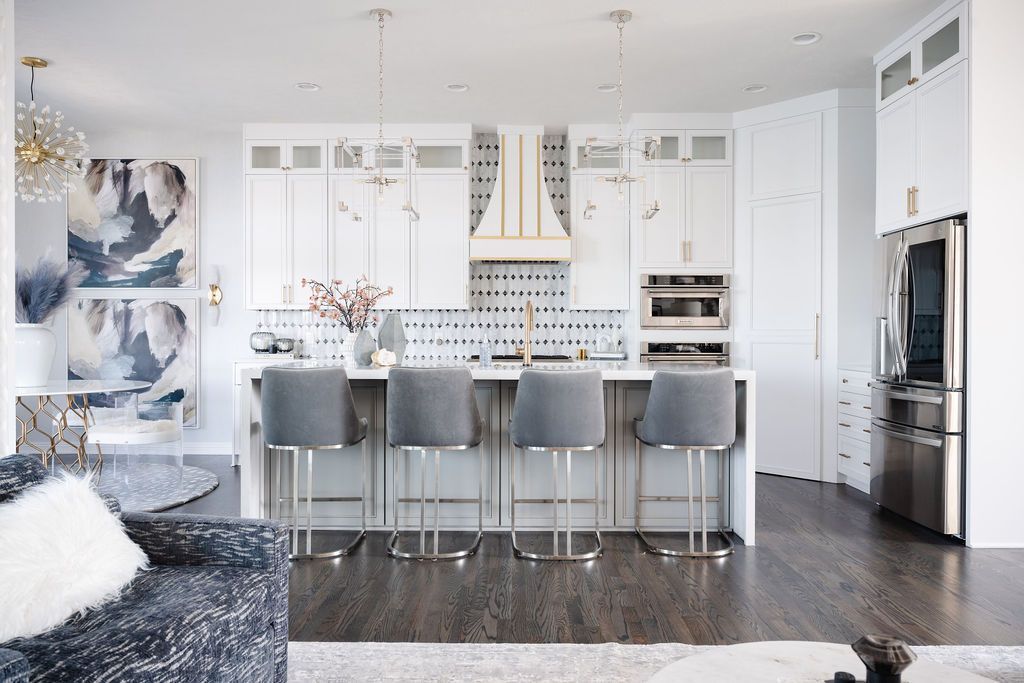
Concentrating on high-impact areas can yield the most significant returns in terms of aesthetics and value. Renowned spaces such as kitchens and bathrooms often dictate the overall look and feel of a home. According to the National Kitchen & Bath Association, 54% of designers emphasize the kitchen's role in setting the tone for the home. Investing in these areas can lead to a cohesive design and enhance your home's appeal. Prioritizing them effectively channels your budget toward elements that bring visible results.
Utilizing Space Efficiently
Efficient use of space is another vital design decision in home remodeling. This involves maximizing existing space to improve functionality without expanding square footage unnecessarily. Techniques include installing built-in storage, using vertical space, and selecting furniture that complements the room size. Thoughtful space planning can lead to improved flow and utility, especially in smaller homes or apartments. By optimizing existing layouts, homeowners can achieve their desired outcomes within budget constraints.
Minimizing Structural Changes
Minimizing structural alterations wherever possible helps contain costs significantly. While sometimes necessary, structural changes often require permits, increased labor, and additional materials, leading to higher expenses. Instead, focusing on aesthetic upgrades like paint, lighting, and fixtures can refresh and transform spaces without substantial structural work. Taking advice from home remodeling contractors on necessary versus optional structural changes can yield better financial outcomes. This approach allows you to retain architectural integrity while expanding your design possibilities.
Incorporating DIY Design Elements
DIY projects can add a personal touch to your remodeling efforts while being cost-effective. Many design elements, such as paint, decor, or fixtures, can be efficiently handled as DIY tasks. Make sure to assess your skill level before taking on DIY to ensure quality results and avoid additional repair expenses. Online tutorials, workshops, and home improvement courses can augment your DIY skills. By embracing this approach, you leverage creativity and effort to derive impressive design outcomes affordably.
Embracing efficient budgeting techniques can transform your home remodeling experience, allowing you to achieve excellent results without overspending. By understanding your finances, choosing cost-effective solutions, and making smart design decisions, you can navigate the remodeling process seamlessly. For more helpful tips from experienced home remodeling contractors, reach out to Highrock today!